
Health Topics
Mathematica works closely with its partners to design solutions intended to improve the lives of people with disabilities.
Although the aspirations of people with disabilities keep pace with the opportunities created by advances in medicine and technology, policy and practice often lag behind—in part because stakeholders lack the information they need to make informed decisions. At Mathematica, we are building the evidence base to drive future advances and collaborating with our public and private partners to design and implement programs and policies to support people with disabilities.
Our dedication to advancing disability policy and programs is embodied in our Center for Studying Disability Policy, established in 2007. Our multidisciplinary teams understand the complexities facing public- and private-sector leaders in designing and operating programs that serve people with disabilities, as well as the challenges faced by people with disabilities in interacting with those programs.
Sign up for the Disability News Alert
Receive biweekly updates on the latest news, research, and events collected by Mathematica's Center for Studying Disability Policy. View a recent issue here.

Transitioning to Adulthood
Building Better Interventions for Youth with Disabilities
Check out interventions that could make longstanding impacts on the employment prospects of youth with disabilities.
Learn MoreEvidence & Insights

Blog Post
Promising Ideas to Address Unspent Vocational Rehabilitation Funds
The Vocational Rehabilitation (VR) program helps more than 800,000 people with disabilities obtain, maintain, and advance in employment each year, yet hundreds of millions of dollars in federal VR funding go unspent by state VR agencies.
Learn moreSolutions
Progress is best made together.
Partner with us at the intersection of data science, social science, and technology to progress from inquiry to insight to impact. Our evidence-informed solutions empower you to see clearly and act quickly.




Partners In Progress



Jody Schimmel Hyde
Principal Researcher, Deputy Director, Center for Studying Disability Policy
View Bio Page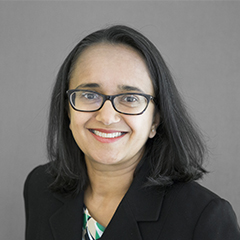





Stay Updated on Disability Related News
Sign up for the Disability News Alert and other personalized insights. Receive biweekly updates on the latest news, research, and events collected by our Center for Studying Disability Policy. View a recent issue here.
Sign Up